Partner
PT PLN (Persero) UIP2B Jamali
Industry
Electricity
Objective
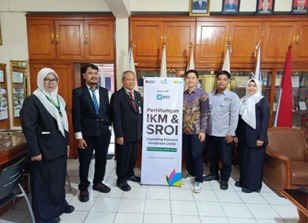
The Social Return on Investment (SROI) evaluation of the Electric Vehicle Conversion Upgrading Program aims to describe the existing condition of CSR activities implemented by PT PLN (Persero) UIP2B Jamali at Dinamika Pembangunan 1 Vocational High School Jakarta, measure social impact using relevant indicators, and calculate the Social Return on Investment ratio as a benchmark for program performance.
In addition, this evaluation seeks to identify program success factors and challenges while providing recommendations to improve implementation effectiveness and strengthen the program’s social impact.
Challenges
Although the Electric Vehicle Conversion Upgrading Program provides various benefits, its implementation is not without challenges. These challenges arise from limitations in competencies, facilities, and the readiness of vocational education institutions to adapt to emerging technologies, directly affecting program effectiveness and the achievement of clean energy transition goals.
Several key challenges identified include:
Limited competencies among educators and students
Many teachers and students in vocational schools still lack sufficient technical skills in electric vehicle conversion, limiting the institution’s ability to adapt to new technologies and industry demands.
Limited training facilities and practical infrastructure
Vocational schools face challenges in providing teaching aids, workshop facilities, and electric vehicle conversion equipment, which affects learning quality and students’ practical skill development.
Need for training and professional certification
Without structured training programs, hands-on practice, and competency certification, both students and teachers face difficulties in developing skills aligned with the electric vehicle industry.
Institutional readiness for emerging technologies
The adaptation of vocational institutions to environmentally friendly technologies remains limited, requiring additional support to prepare graduates who are competitive and ready to contribute to the renewable and clean energy sectors.
Solution
Based on the Social Return on Investment analysis, the program demonstrates significant and measurable impact for beneficiaries.
The initiative has contributed to improved technical competencies, practical skills development, increased readiness for future employment opportunities, and stronger institutional capacity in vocational education.
In addition, the program encourages active participation, enhances awareness of clean energy innovation, and strengthens responsibility toward environmental sustainability.
Through a structured, collaborative, and sustainable approach, this program demonstrates the effectiveness of empowerment strategies that deliver not only short-term educational benefits but also long-term social, economic, and environmental impact.
This serves as concrete evidence of the company’s contribution to creating positive value for communities and the broader ecosystem.
Creating Meaningful Impact Through Education
Every educational program holds the potential to transform learners into more independent, capable, and productive individuals.
With the right collaboration, learning should not stop in the classroom but generate tangible social impact for students and surrounding communities.
Partner with Mandiri Daya Insani to measure your program’s SROI and optimize every investment so that the resulting social benefits become more measurable, meaningful, and sustainable.